
After-Hour Assistance and General Information
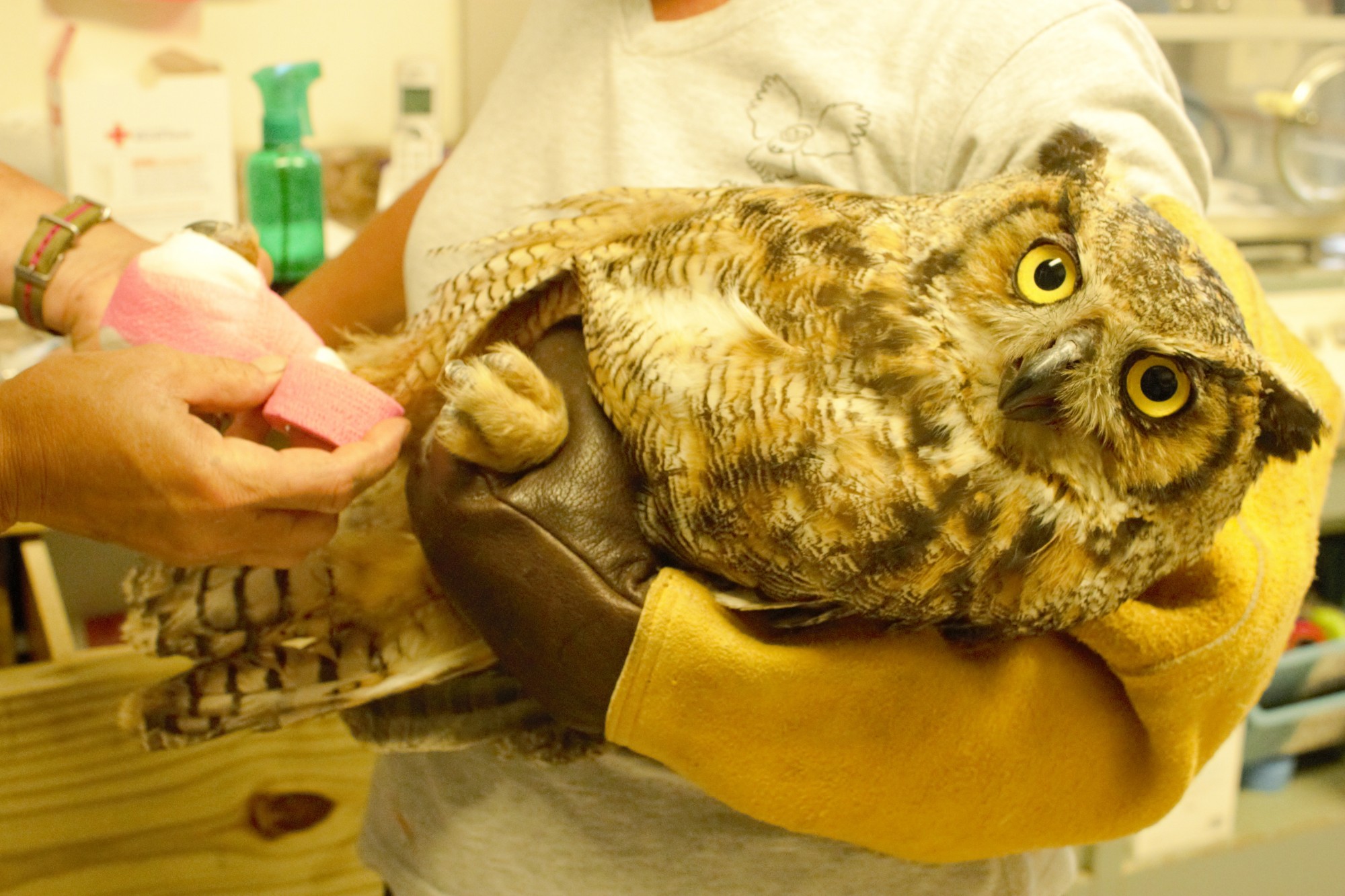
How to help the bird you have found...
If you have an injured bird, please keep the bird in a box in a dark and quiet place until you can get it to a licensed rehabilitation center. If you have a baby bird with no feathers, they may need heat support. They should feel warm to the touch, but not breathing with their mouth open (too hot!). Please put a layer between the heat support and the bird. Below is a link to find the licensed rehabilitation center closest to you.
Please keep in mind that the Ohio Bird Sanctuary does not rehabilitate waterfowl or mammals and cannot do rescues.
List of Licensed Rehabilitators
List of Ohio Wildlife Officers
Ohio Division of Wildlife District Offices
You may also visit the website for the Ohio Wildlife Rehabilitators Association. http://www.owra.org/
If Ohio Bird Sanctuary in Richland County is closest to you, please bring the bird to us during our open hours:
Tuesday-Saturday 10:00am-4:00pm & Sunday 12:00-4:00pm
Do not contact the Sanctuary by Facebook if you have an injured/orphaned bird as this page is not monitored regularly by bird care staff.
If you call before or after our business hours, please leave a voicemail and one of our staff members will return your call on our next business day. If you need immediate assistance, email: ohiobirdcare@gmail.com and someone will respond as soon as possible.
All native birds are protected by state and federal laws. It is legal for you to rescue the bird with intent of transport to a licensed rehabilitation facility. It is not legal for you to possess a bird or other native wild animal for longer than 24 hours.
NOTE: If you have a question about a mammal or waterfowl, click on this link for information and to find assistance.
CLICK HERE FOR MORE INFORMATION AND ASSISTANCE
If the bird is perceived to be orphaned....
Songbirds and raptors have three main stages in development. Nestling, Fledgling, and Juvenile.
NESTLINGS: A bird that is dependent on its parents for warmth and nutrition a requires a nest structure for support.
If the baby bird does not have feathers yet or only has feathers on parts of its body, first attempt to find the nest that the baby may have fallen from.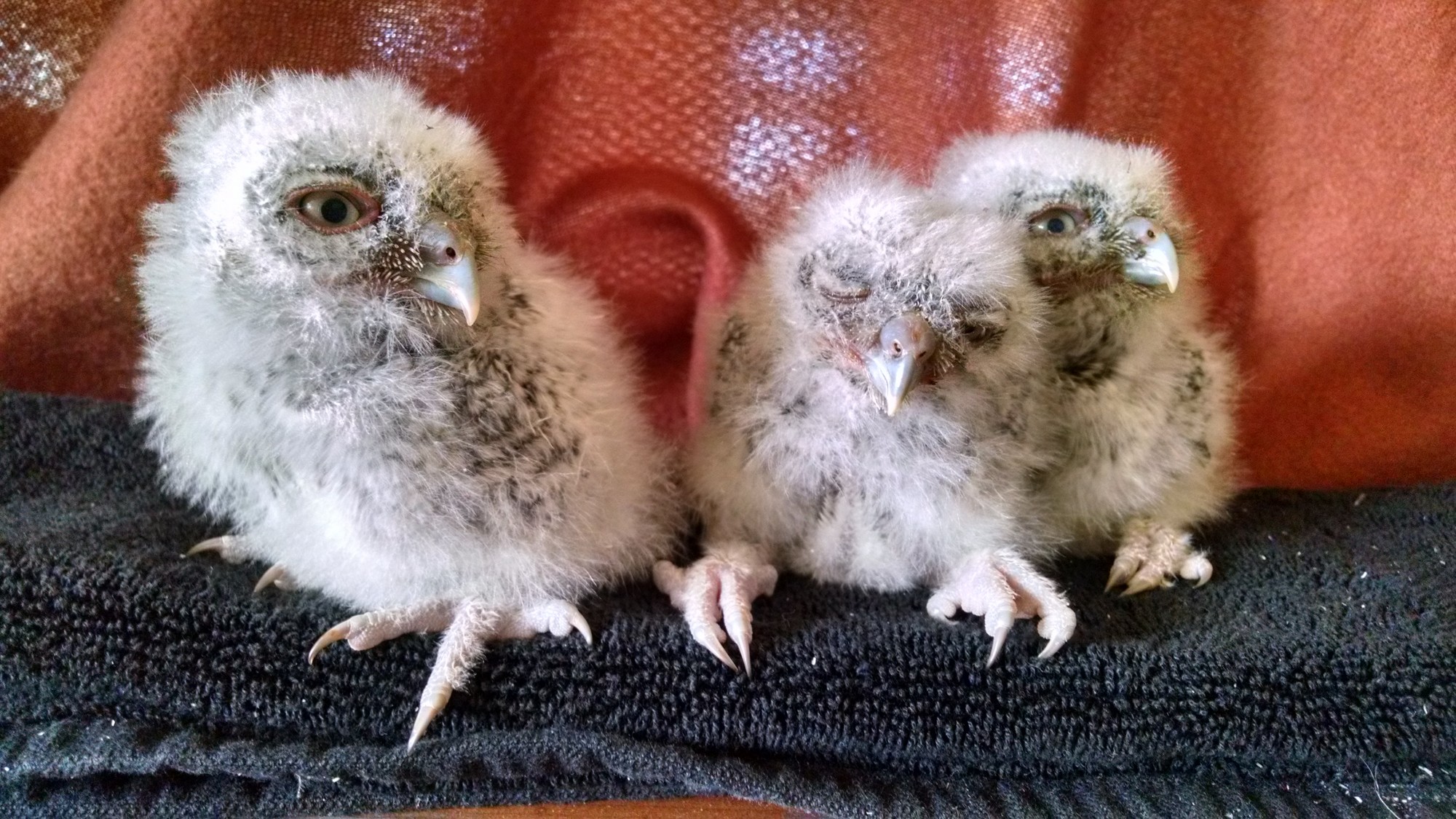
Nestling Screech-Owls
 If you are able to locate the nest, return the baby bird to it. Birds do not have a well-developed sense of smell and the parents will return to care for the baby even though you have handled it.
If you cannot find or reach the nest, or if the bird is obviously in need of help, please place the bird in a nest-like structure (such as a bowl or cup lined with paper towels) in a cardboard box and keep in a quiet, dark location. Contact the Sanctuary as soon as possible; time is an important factor. Baby birds who do not have feathers need to be kept warm using a heating pad. If the bird must stay overnight with you, please contact the Sanctuary for further instructions. Do not give food or water unless advised by a staff member.
--------------------------------------------------------------------------------------------
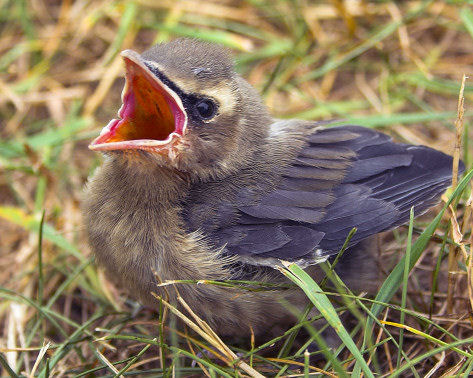
Fledgling Cedar Waxwing
BRANCHER OF FLEDGLING: During the spring and summer, when many baby birds are leaving the nest and figuring out life as a bird, a bird may be on the ground but not in need of help. Fledgling birds who have left the nest are still learning to fly and may only do short, hopping flights. These babies have all of their feathers. Unless you see blood or an obvious injury, or the bird is in immediate danger, please leave it alone. Although these babies are spending most of their time on the ground, their parents are still feeding and caring for them. Again, if you are concerned but are not sure if the bird needs rescued, please call us.
-----------------------------------------------------------------------------------------
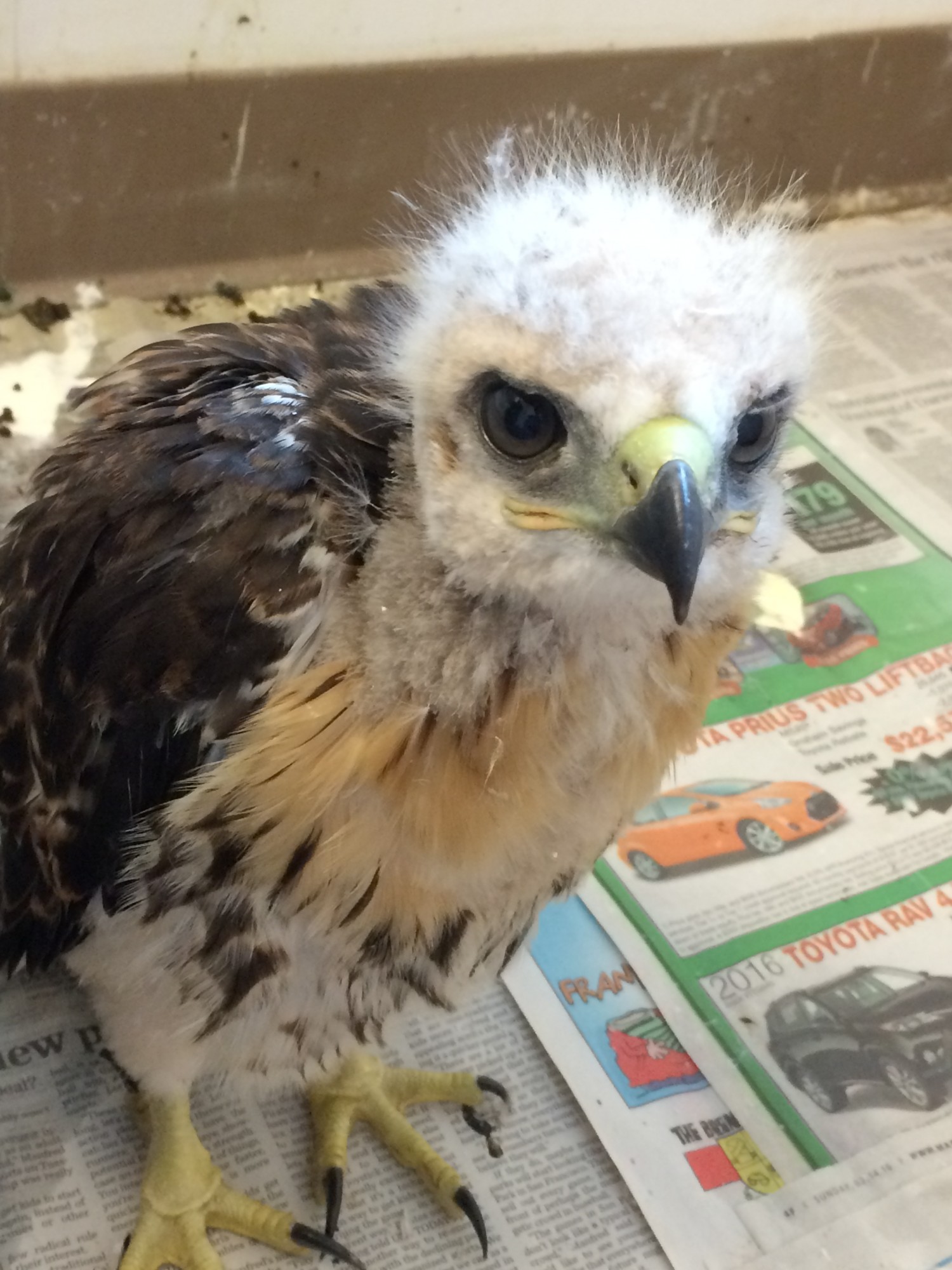
Fledgling Red-tailed Hawk
JUVENILE: During this phase of development the bird is capable of flight but still being provided food by the parent. These birds do not need rescued unless an obvious injury or illness is suspected.
-----------------------------
How to rescue the bird
Once you have determined that the bird does need help, you will need to capture it. The technique with vary by species and individual situations. When possible contact the Sanctuary first before attempting to rescue.
During regular business hours call 419-884-4295. After business hours email ohiobirdcare@gmail.com
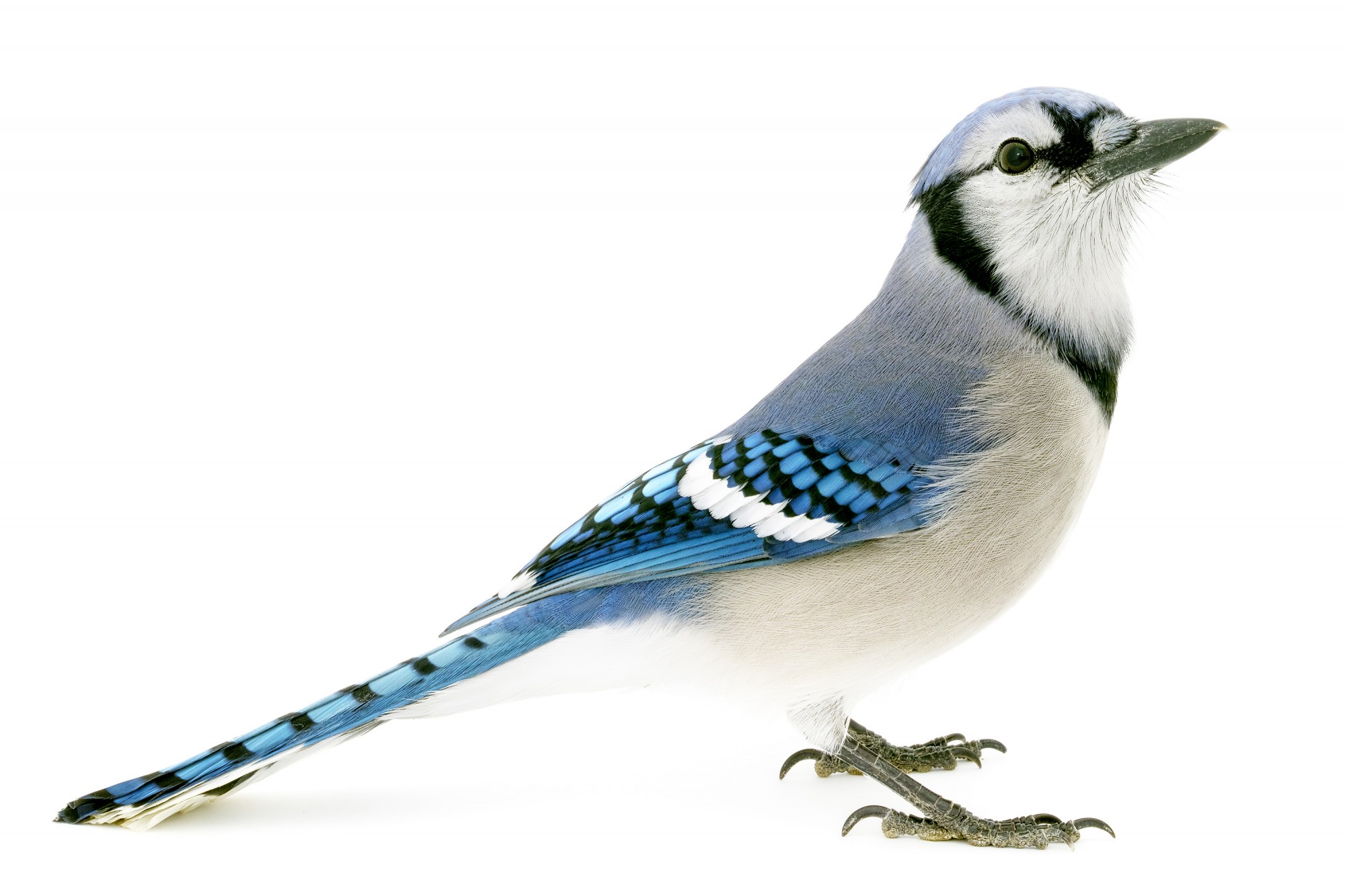
If it is a songbird:
Examples of songbirds include Blue jays, Robins, sparrows, doves, etc. Place a lightweight towel over the bird and scoop it up. Place the bird in a cardboard box.
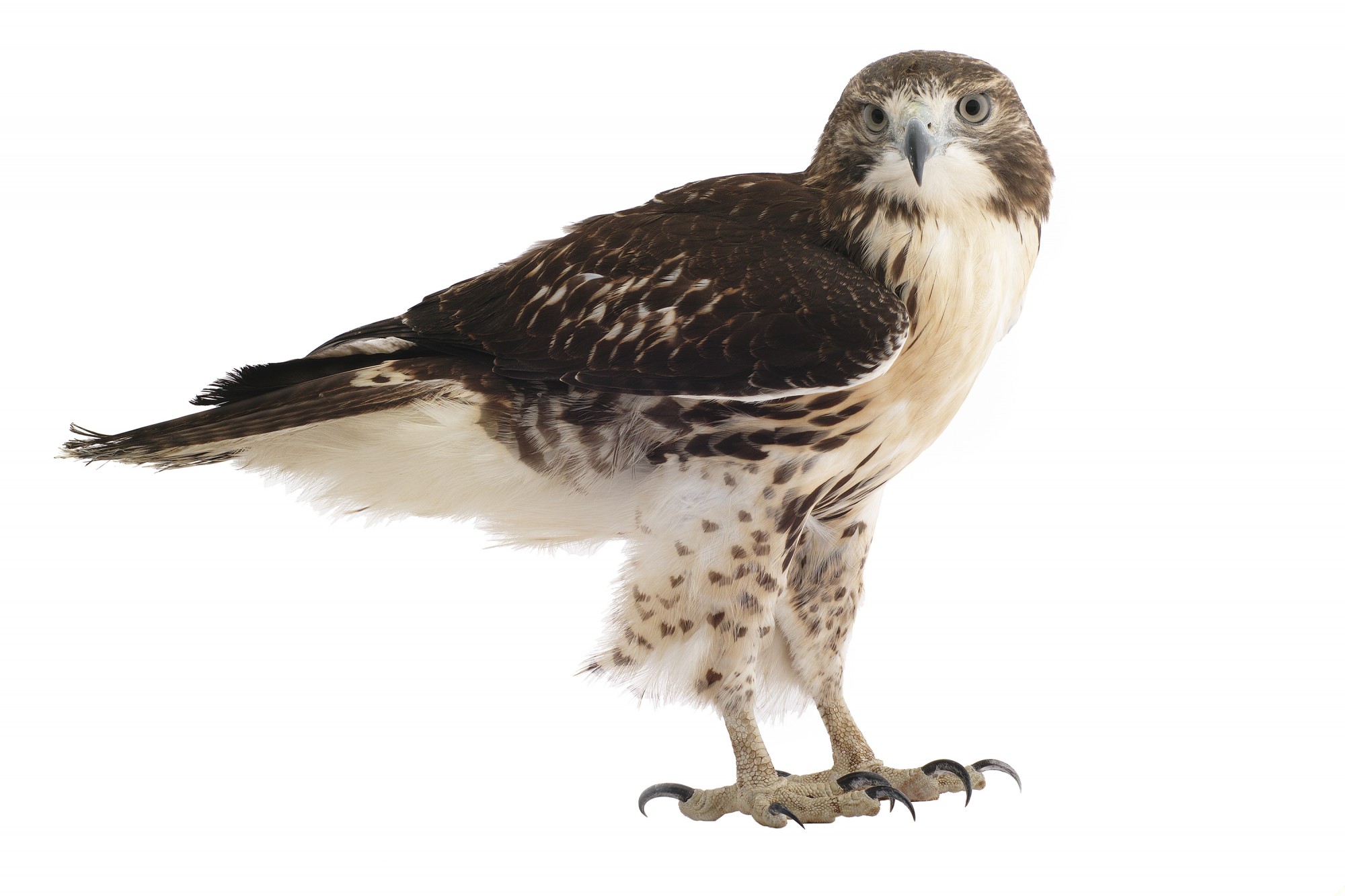
If it is a raptor:
A raptor has a hooked beak and sharp, curved talons. Examples include hawks, owls, and eagles.
A raptor will typically roll onto its back and try to strike with its feet. Throw a large, heavy blanket or towel over the feet and head scoop the bird into a cardboard box or crate. Do not allow the bird to grab you with its feet. Heavy gloves are advised.
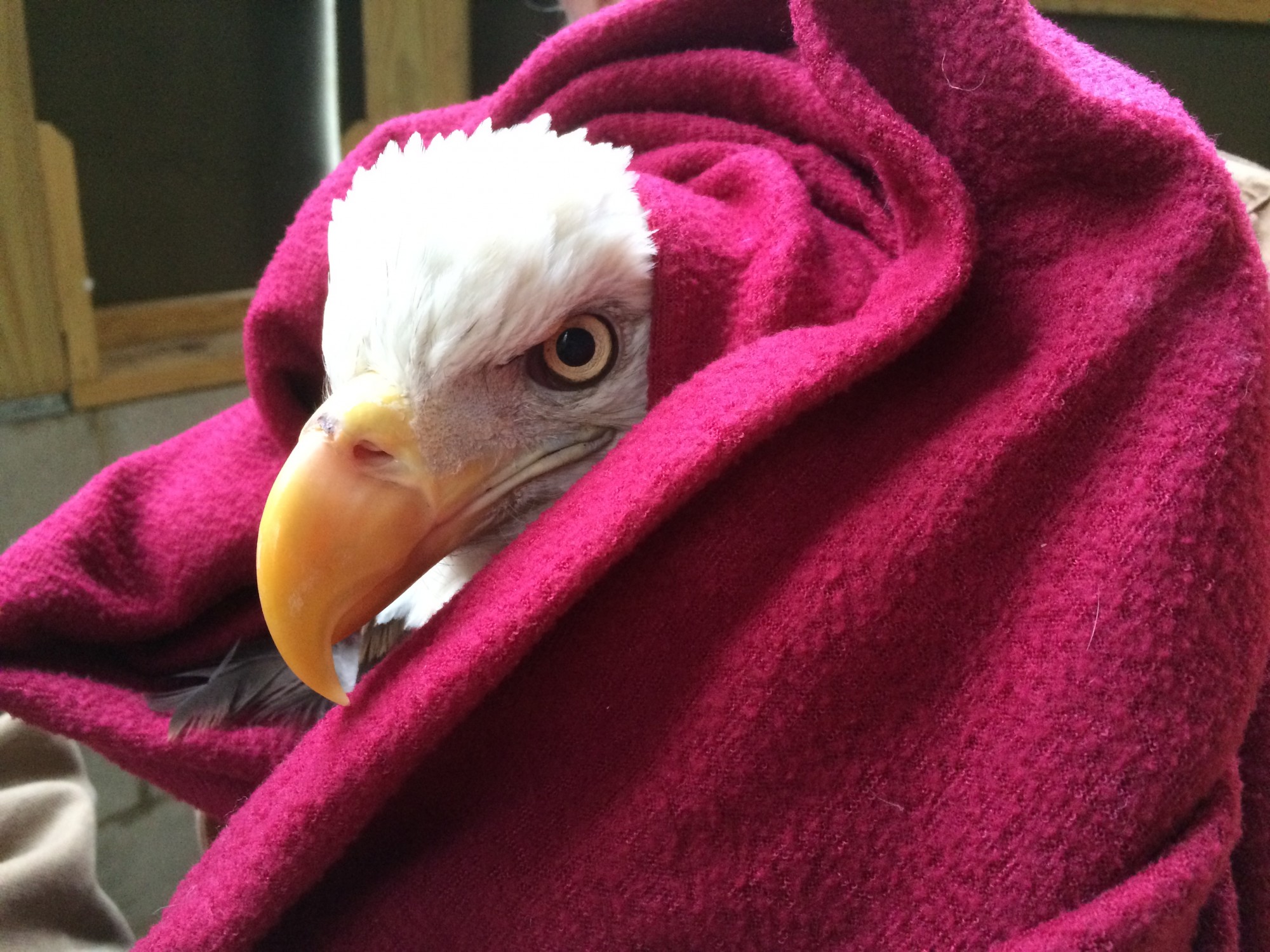
PLEASE NOTE: Until you can make arrangements to bring the bird to OBS, please keep the bird in the box in a quiet, dark location. Do not give food or water unless advised by a staff member. (Exception: If the bird is a hummingbird, you may offer it a sugar water solution (1 part sugar to 4 parts water). These birds have very fast metabolisms and need to eat every 20-30 minutes.
NOTE: We also cannot accept healthy House/English sparrows or European starlings. Both of these species are nonnative and invasive, having been brought over from Europe. If you have one that has been injured, please call the Sanctuary to talk with staff.
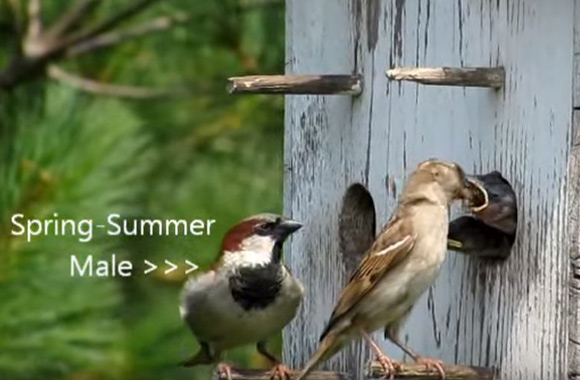
English Sparrow
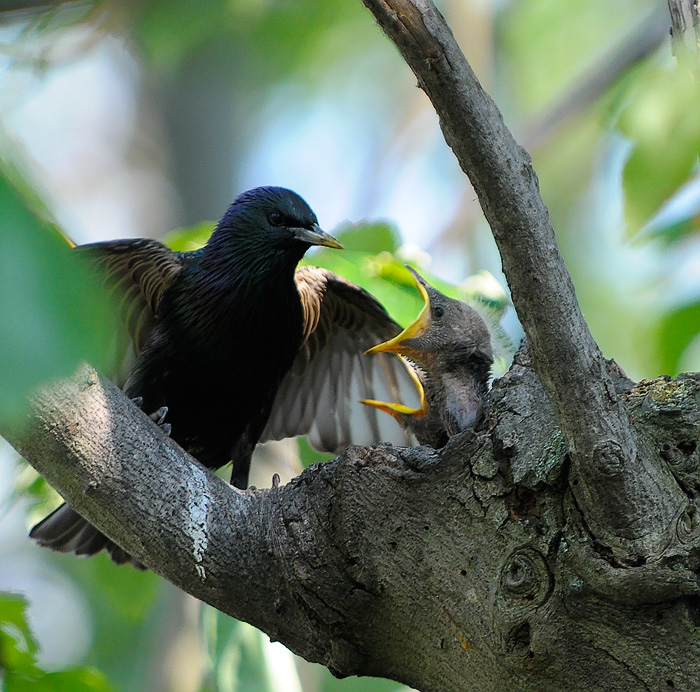
European Starling